
Retiring in Scottsdale and Fountain Hills: The 2026 Guide
Arizona remains a top-tier destination for retirees, but the “Strategy” has shifted in 2026. It’s no longer just about the sun; it’s about the 2.5% flat tax, world-class healthcare like the Mayo Clinic in Scottsdale, and finding a community that offers both security and active luxury. To see how these factors fit into the bigger picture of your move, explore our full Scottsdale & Fountain Hills Relocation Guide.
The Financial Advantage: Arizona Retirement Taxes in 2026
One of the primary drivers for relocation is Arizona’s status as one of the most tax-friendly states in the U.S.
- Social Security: Arizona does not tax Social Security benefits.
- The Flat Tax: All other retirement income (401k, IRA, and Pensions) is taxed at a low 2.5% flat rate.
- No “Death Tax”: Arizona has no estate or inheritance tax, allowing you to pass more of your equity to the next generation.
- Property Tax Protection: For those 65+, Arizona offers the Senior Property Valuation Protection Option, which “freezes” the assessed value of your primary residence if you meet certain income requirements.
Healthcare Gold Standard: The Mayo Clinic & HonorHealth
For many retirees, “proximity to care” is a non-negotiable.
- The Mayo Clinic (Scottsdale/Phoenix): Consistently ranked #1 in Arizona, the Mayo Clinic’s presence makes North Scottsdale a global destination for specialized care.
- HonorHealth Scottsdale Shea: A cornerstone of East Valley healthcare, specializing in cardiology and oncology.
- Fountain Hills Access: Residents enjoy a quiet lifestyle while remaining just 15–20 minutes from the Valley’s most advanced medical hubs.
Active Adult & 55+ Communities in Scottsdale vs. Fountain Hills
While Arizona is famous for “Sun City,” the Scottsdale and Fountain Hills markets offer a more elevated, “Active Adult” experience.
- Trilogy at Verde River: Located just outside Fountain Hills, offering a resort lifestyle with a championship golf course and Five-Star amenities.
- Adero Canyon (Fountain Hills): While not strictly age-restricted, this area is a favorite for retirees seeking “Lock-and-Leave” luxury for snowbirdswith world-class trail access.
- Villa Portofino (Scottsdale): A premier 55+ community in the heart of the McDowell Mountain Ranch area, perfect for those who want to be close to the action.
- Grayhawk (Scottsdale): Known for being one of the best managed communities for snowbirds in Scottsdale, offering guard-gated security and turnkey condos or detached villas.
Pro Tip for West Coast Retirees: If you are moving from the West Coast, your transition involves more than just a new zip code. Check out our [California to Arizona Relocation Guide] to understand how the “183-Day Rule” and property equity play into your retirement budget.
You’ve Earned a Better View
Retirement isn’t just about stopping work; it’s about starting the life you’ve planned for decades. From the quiet, dark-sky serenity of Fountain Hills to the active social hubs of North Scottsdale, let’s find the sanctuary that fits your next chapter.
[ Request My Retirement Strategy Session → ]
The Daily Rhythm of Living in Scottsdale and Foutain Hills
In Scottsdale and Fountain Hills, “retirement” is a bit of a misnomer. Most residents find themselves more active here than they were during their working years. Here is the evergreen rhythm of life in Scottsdale and Fountain Hills:
- The “Morning Tee” Culture: With over 200 golf courses in the area, life often revolves around a morning round. Silverado Golf Club offers a relaxed, championship-style experience in the heart of Scottsdale, while Eagle Mountain in Fountain Hills provides dramatic elevation changes and views that reach across the entire Southeast Valley.
- The “Third Place” Community: From the art-lined streets of The Avenue in Fountain Hills to the vibrant Via Linda Senior Center, the social infrastructure here is built for connection. It’s a community where you can drop in for card games, karaoke or a book discussion and actually get to know your neighbors’ names.
- Sunset at the Fountain: In Fountain Hills, the evening ritual often involves a walk around the lake as the world-famous fountain performs its hourly show. It’s a rather quiet but filled-with-events, scenic alternative to the high-energy “Old Town” Scottsdale vibe, perfect for those who value peace and dark, star-filled skies.
- The Summer “Cool Down”: While the afternoons are for the pool, the mornings belong to the trails. Residents here have mastered the art of the 6:00 AM hike at McDowell Mountain Ranch or Adero Canyon, followed by a long brunch at one of the dozens of pet-friendly patios in the area.
Latest from Retiring in Arizona
-
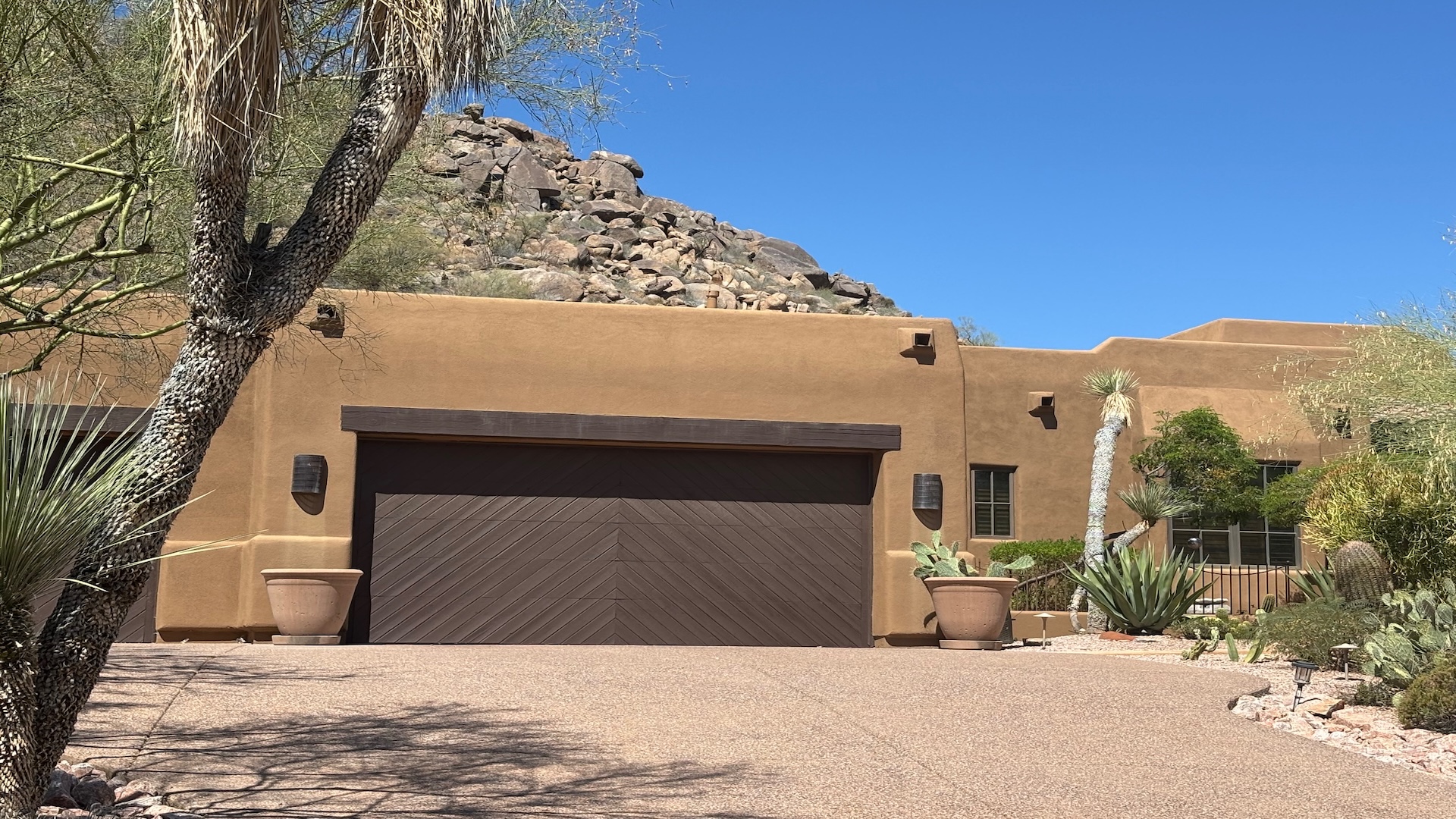
Retiring in Scottsdale & Fountain Hills: Complete 2026 Relocation Guide
Learn about Arizona taxes, healthcare, housing costs, active adult communities, lifestyle & residency requirements before you move.
-
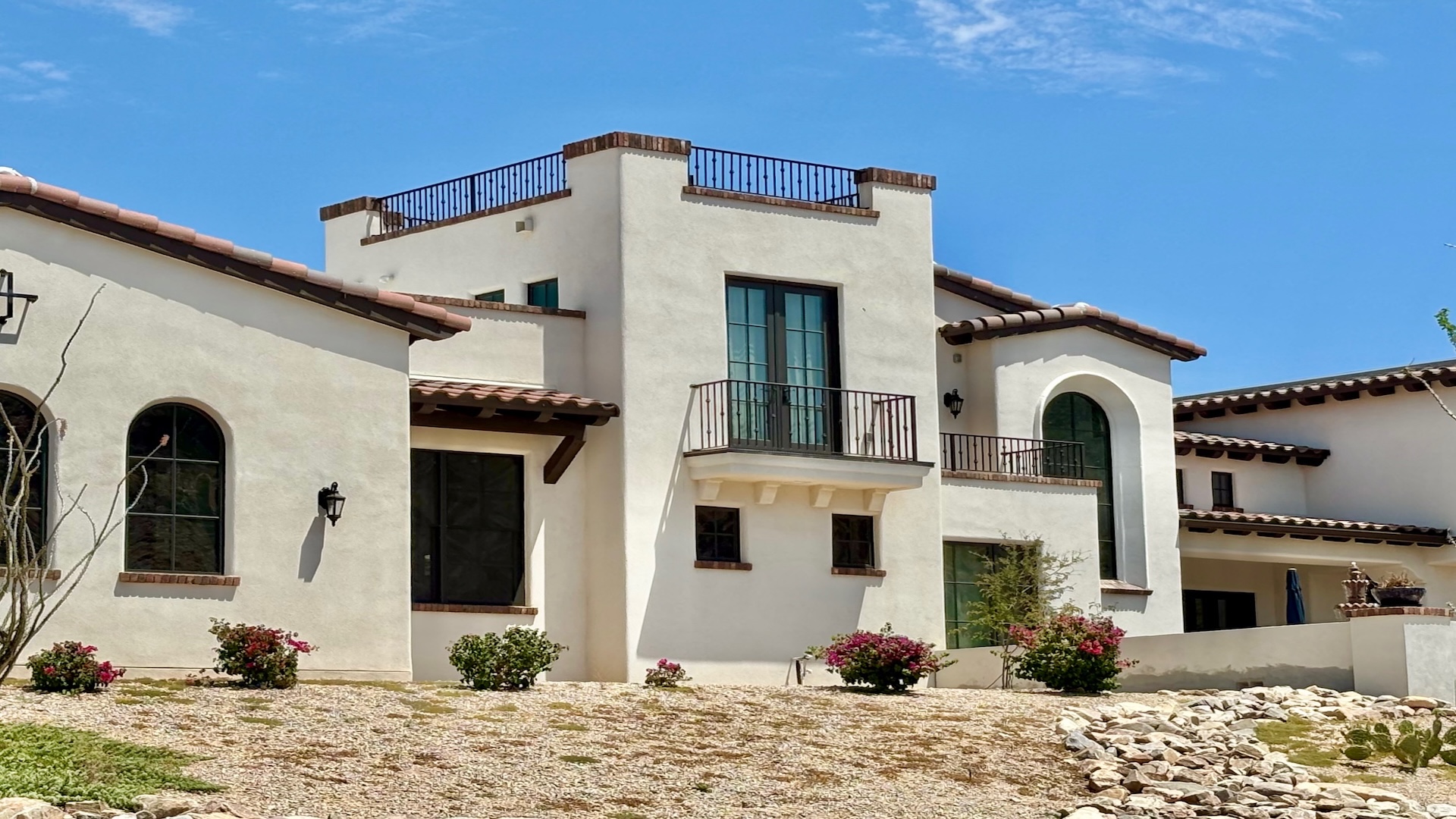
Scottsdale vs Fountain Hills for Retirement: An Honest Side-by-Side
Both Scottsdale and Fountain Hills attract retirees from California and the Midwest but they deliver different lifestyles. Check out the honest side-by-side on healthcare, cost of living, community, and real estate.
-
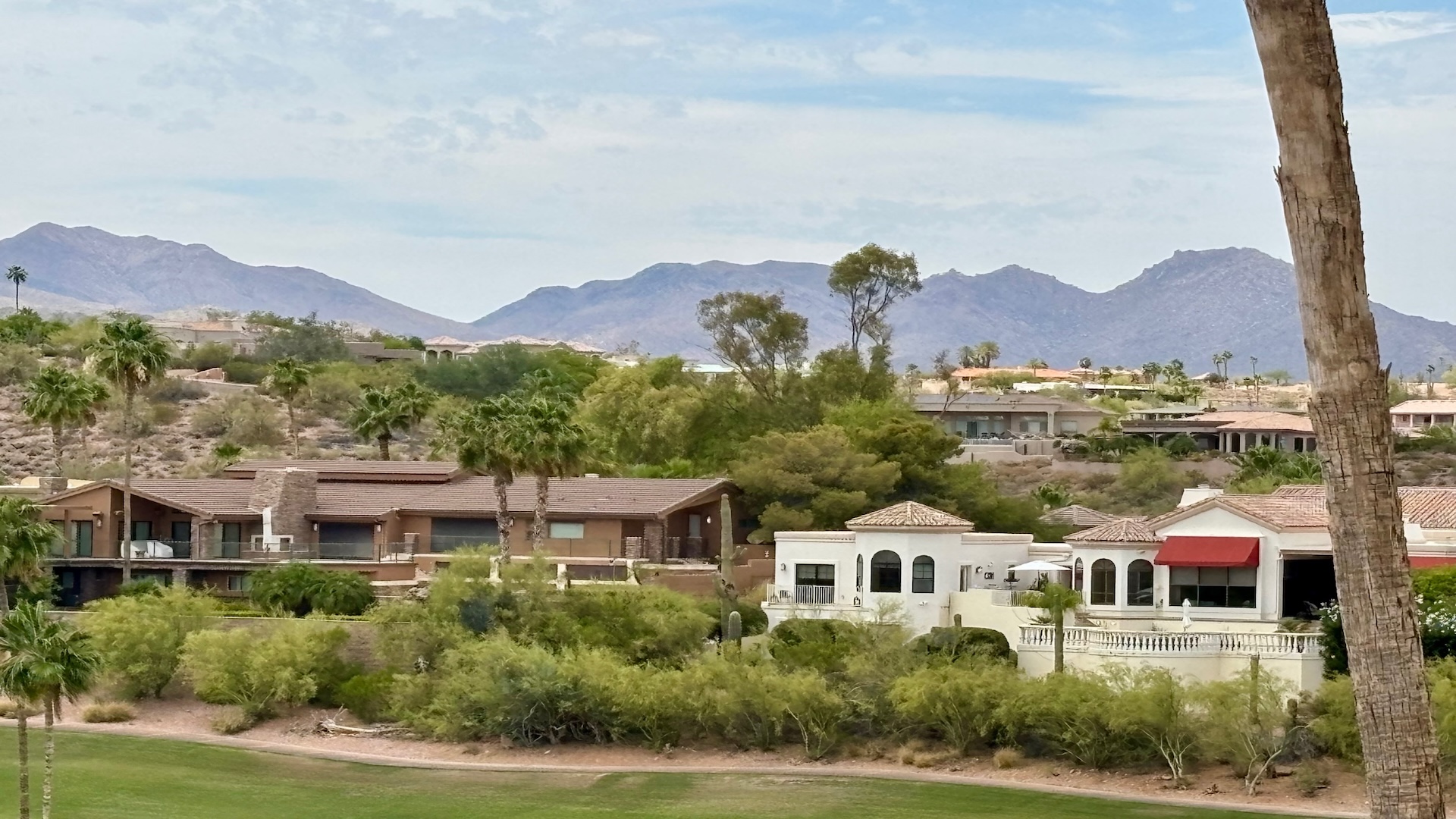
What It’s Really Like Living in Fountain Hills: An Insider’s Honest Guide
Discover what it’s actually like to live in Fountain Hills — the driving reality, summers, community culture, and who thrives versus who struggles.
Retiring in Arizona FAQ
Yes, Arizona taxes out-of-state pensions at the 2.5% flat rate. However, because this is significantly lower than most “sender” states (like California or New York), most retirees still see a net increase in their monthly take-home pay.
Yes, but only at the 2.5% flat rate. While states like California have progressive tax brackets that can climb over 10%, Arizona keeps it simple. Whether your pension comes from a former employer in Illinois or a 401(k) in New York, you’ll likely see a significant “tax raise” just by moving your zip code to Scottsdale or Fountain Hills.
No. As of 2026, Arizona allows a full subtraction for all military retirement pay. This makes the Scottsdale area one of the most strategic relocation points for retired veterans.
Arizona offers some of the most predictable property taxes in the country, averaging around 0.48%. For a home valued at $800,000, you should budget approximately $250–$300 per month ($3,000–$3,600/year), significantly lower than the $15,000+ seen in parts of the Midwest or Northeast. Because of Proposition 117, your taxable value cannot jump up just because the neighbor’s house sold for a record price. It is legally capped at a 5% increase per year, providing massive stability for retirees on a fixed budget.
In Scottsdale, the average monthly electric bill is about $224, but this varies wildly by season. For a 2,000 sq. ft. home, expect July/August bills to reach $400–$450 as the AC works overtime. During our winter months (November–March), your bill may drop to $80–$100.
Fountain Hills and North Scottsdale are the leaders in “Lock-and-Leave” convenience. Look for townhome or villa communities with “Zero-Scape” landscaping and HOA-maintained exteriors, allowing you to travel during the summer months without worrying about property maintenance.
In North Scottsdale and Fountain Hills, managed community fees typically range from $250 to $450 per month. This usually covers trash, exterior maintenance, roof repair, and community amenities like heated pools and fitness centers.
Yes. If you are 65 or older and have lived in your Arizona home for at least two years, you may qualify for the Senior Valuation Protection (The “Senior Freeze”). This keeps your property’s legal secondary value from increasing, even if the market spikes.
Phoenix Sky Harbor (PHX) is roughly 25–35 minutes from most parts of Scottsdale and Fountain Hills. For those using small regional carriers, Scottsdale Airport (SDL) is centrally located in the Airpark district.
No. Arizona does not impose an estate or inheritance tax. This makes Scottsdale and Fountain Hills highly strategic locations for wealth preservation. You can pass your home and assets to the next generation without the state taking a “death tax” cut, which is a major relief for families moving from states like Washington or Oregon.
A private pool adds 5–8% to your home’s resale value and is a great “grandkid magnet,” but it requires about $120–$150 per month in maintenance; for many retirees, a managed community pool provides the same lifestyle with zero personal labor or expense.